If you're reading this, you probably fall into one of these camps:
You want to get in shape but don't know where to start.
You used to train seriously—maybe in college, maybe in your twenties—and now you're wondering if you still can.
You've tried gyms before and they didn't stick. Too crowded. Too confusing. Too many 22-year-olds throwing weights around while you stood there feeling lost.
You've got an old shoulder injury, a cranky knee, or a back that reminds you it exists every time you pick something up wrong.
Or maybe you're just tired of feeling like fitness is this endless guessing game where you never know if you're doing the right thing.
If any of that sounds familiar, this guide is for you.
Let's clear something up right away.
Hardbat isn't a big-box gym where you scan a card, wander around equipment you don't understand, and hope for the best.
It's not random group fitness where every class is a surprise and the goal is just to survive until the timer goes off.
And it's not a place where intensity beats intelligence, where the goal is to go harder and faster regardless of whether your body is ready for it.
Hardbat is a coaching-first strength and conditioning gym built for adults who want structure, consistency, and real progress over time.
You show up. You're told what to do and how to do it. You work hard within a system designed to meet you where you are and move you forward safely.
No guesswork. No wasted effort. No feeling like you're doing it wrong.
Here's the truth most fitness marketing won't tell you:
Fitness is a skill, not a punishment.
You don't earn your meals. You don't have to destroy yourself to make progress. And motivation—while nice—is a terrible strategy for long-term success.
What actually works is treating training like any other skill you've learned in your life.
You start with the basics. You practice them consistently. You layer complexity as your capacity grows. You build competence before you chase intensity.
At Hardbat, we focus on three things:
Strength — the foundation of everything else
Movement quality — doing things correctly so your body holds up
Conditioning — building work capacity that makes life easier
And we build these in layers, deliberately, using a system that removes the confusion beginners face in most gyms.
That system is called the Level Method.
The Level Method is a progression system used in our group fitness classes.
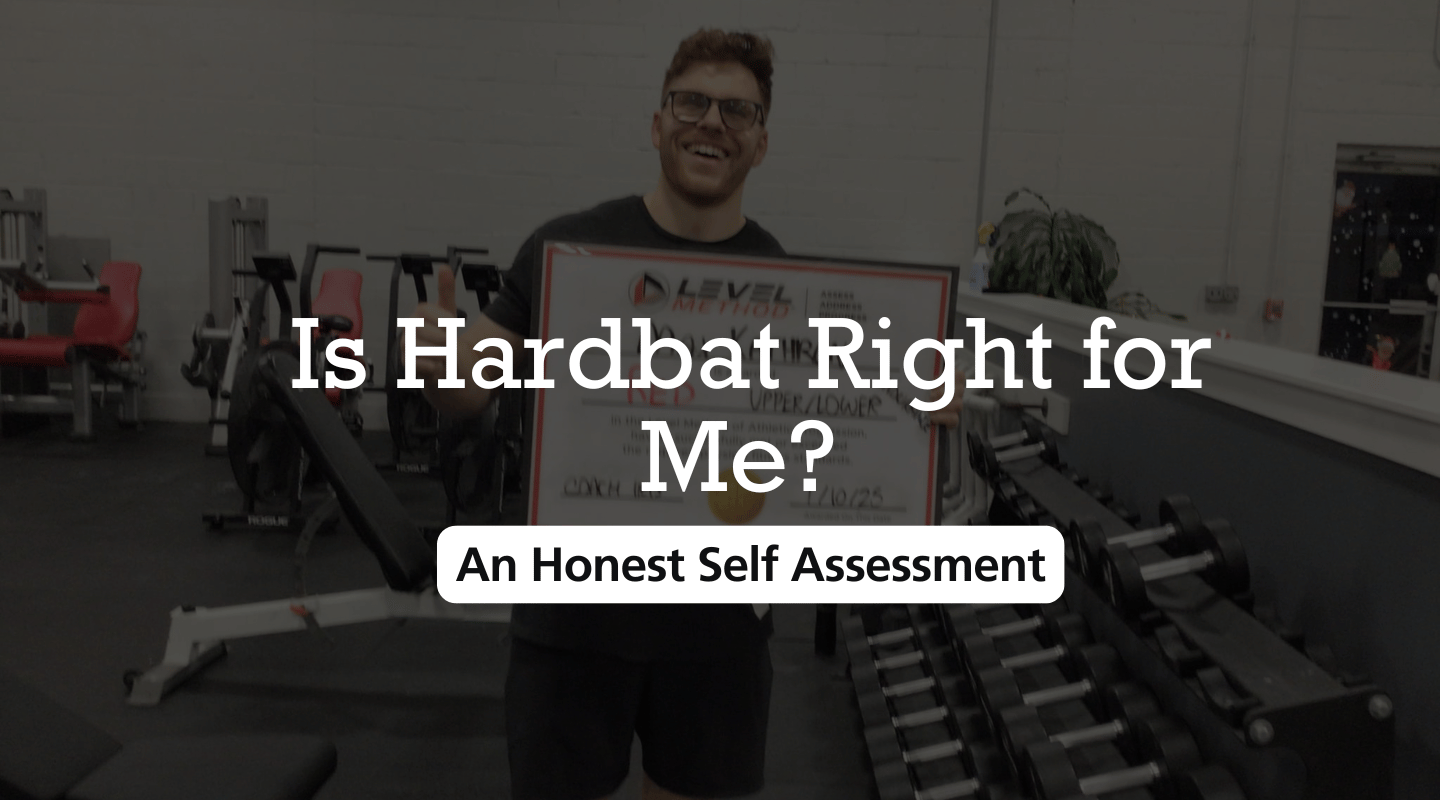
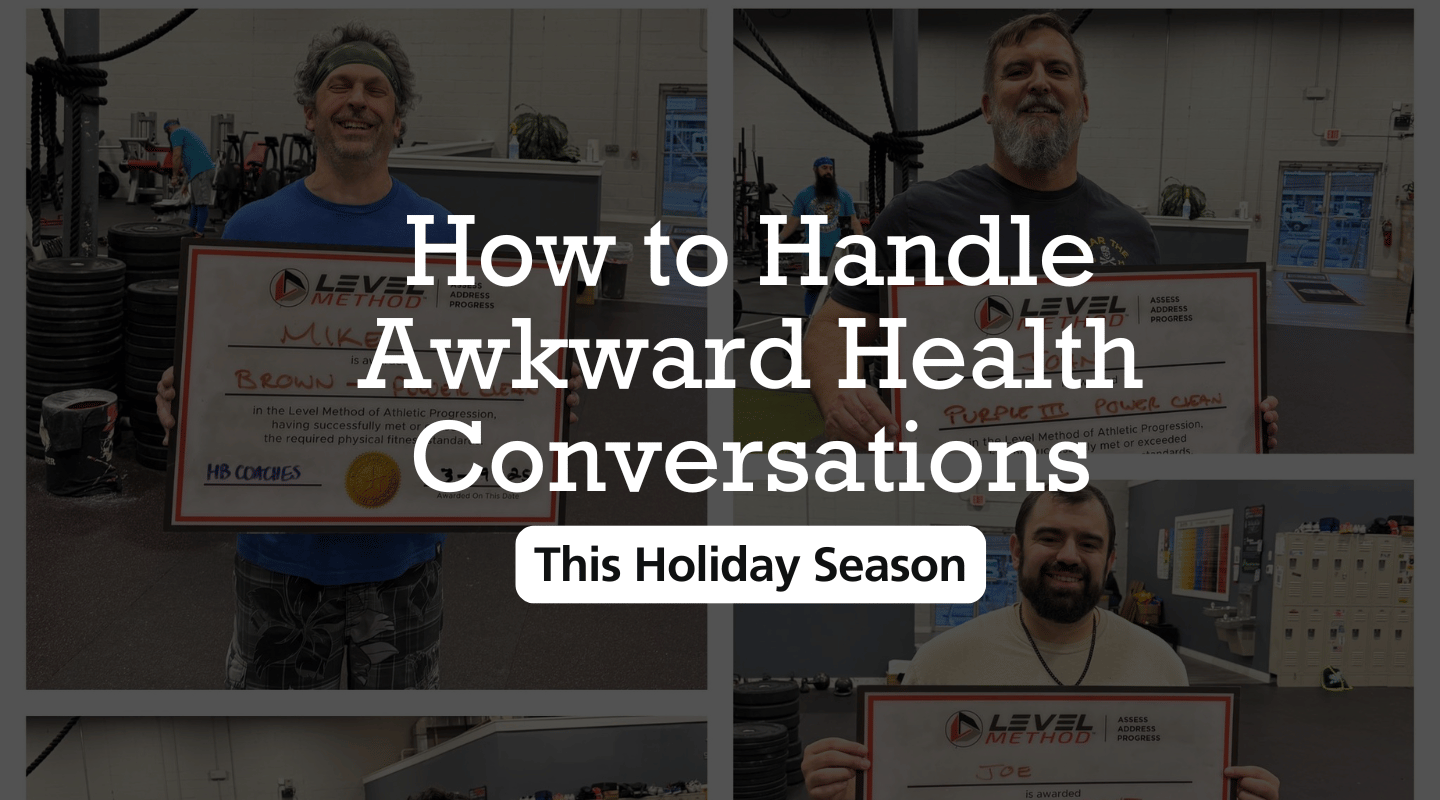
It works like a roadmap—a color-coded framework (White → Yellow → Orange → Green → Blue → Purple → Brown → Black) that tracks your development across six physical capacities: strength, endurance, stamina, power, gymnastics, and mobility.
Each level has specific, measurable standards. Not vague goals like "get stronger" or "feel better," but objective benchmarks:
For beginners, this removes guesswork. You're not wondering if you're doing the right thing or if you're ready for the next step. The system tells you exactly where you are and what comes next.
Every workout in our group classes is scaled across multiple levels. This means two people can do the "same" workout—one at White level, one at Purple—and both get appropriately challenged without either being over their head or wasting their time.
The Level Method is how we make group training work for everyone from complete beginners to experienced athletes. You're never doing workouts your body isn't ready for, and you're always progressing within a clear structure.
Before you ever touch a barbell, we sit down and talk.
We call this the No-Sweat Intro, and it's exactly what it sounds like. A conversation. No pressure. No sales pitch. Just clarity.
We'll ask about:
Then we'll do a simple movement screening. Nothing intense. We're just looking at how you move, where you might have restrictions, and what your body is ready for.
From there, we'll introduce the Level Method and show you what your starting point looks like. We'll explain what comes next and how the process works.
Then you decide if it makes sense for you.
Zero obligation. Zero high-pressure close. Just honest information so you can make an informed choice.
Here's what most beginners don't realize:
Jumping straight into group classes is usually a mistake.
Not because group training is bad. But because you need a foundation first.
If you don't know how to squat correctly, deadlift safely, or control your positions under load, throwing you into a group workout with a clock running isn't coaching—it's chaos.
That's why most beginners at Hardbat start with personal training or small group sessions.
In these sessions, you learn:
This isn't about holding you back. It's about building confidence before intensity.
Once you've developed competence in the basics and you understand how to navigate your training, large group classes become a place where you thrive instead of survive.
Let's walk through what actually happens when you train at Hardbat.
Warm-Up — Structured and purposeful. Not random stretching. We prime the movements you're about to do. Mobility work tied to the workout. Activation drills that prepare your body to move well.
Strength or Skill Work — This is where you build capacity. Depending on the day, you might be squatting, deadlifting, pressing, or working on gymnastics movements like pull-ups or handstands. Everything is progressed according to your level. You're not doing advanced work you're not ready for.
Conditioning — The workout. Scaled by level, not ego. This might be a short, intense interval session. It might be a longer, steady-pace grind. It might be a combination of strength endurance and cardiovascular demand. But it's always designed to challenge you appropriately, not destroy you randomly.
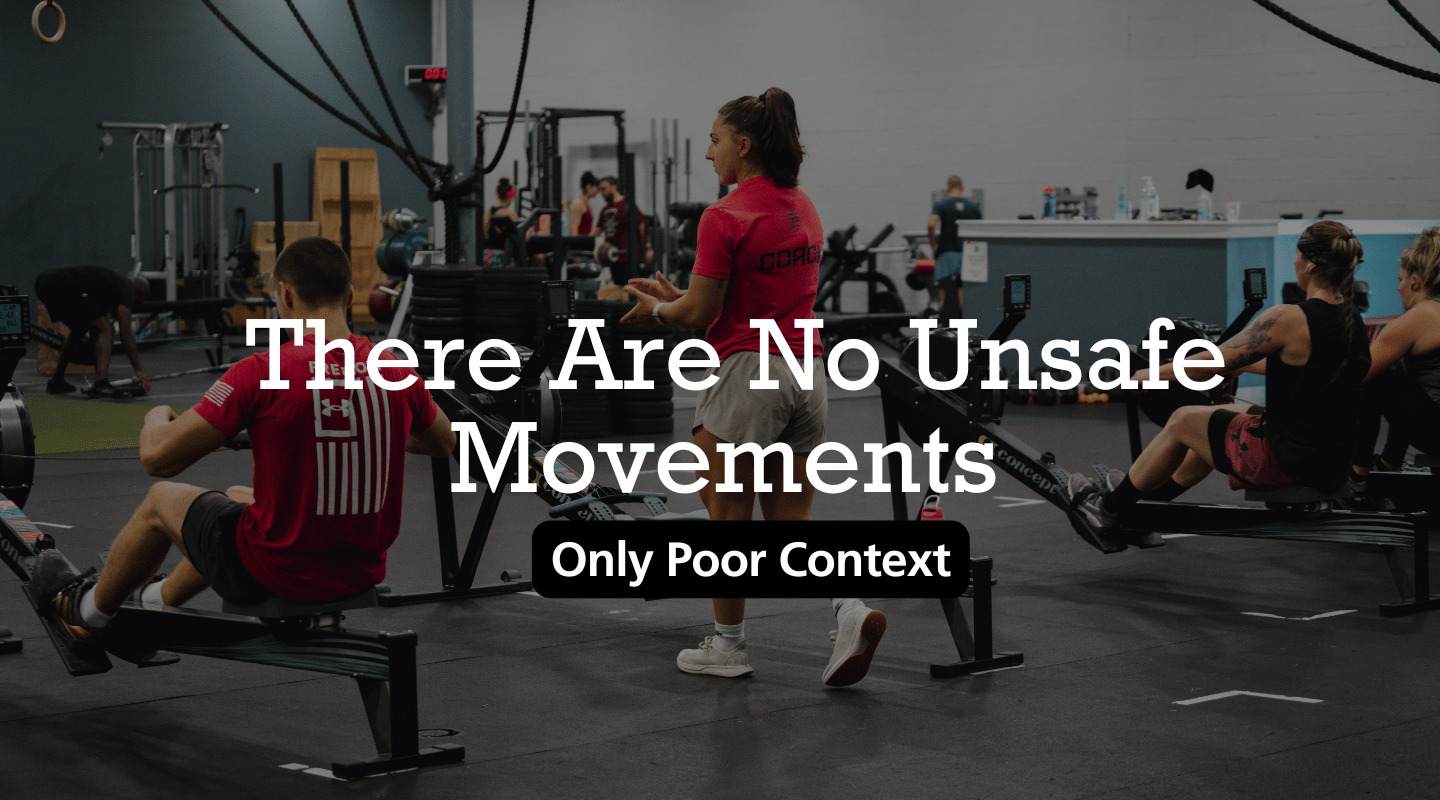
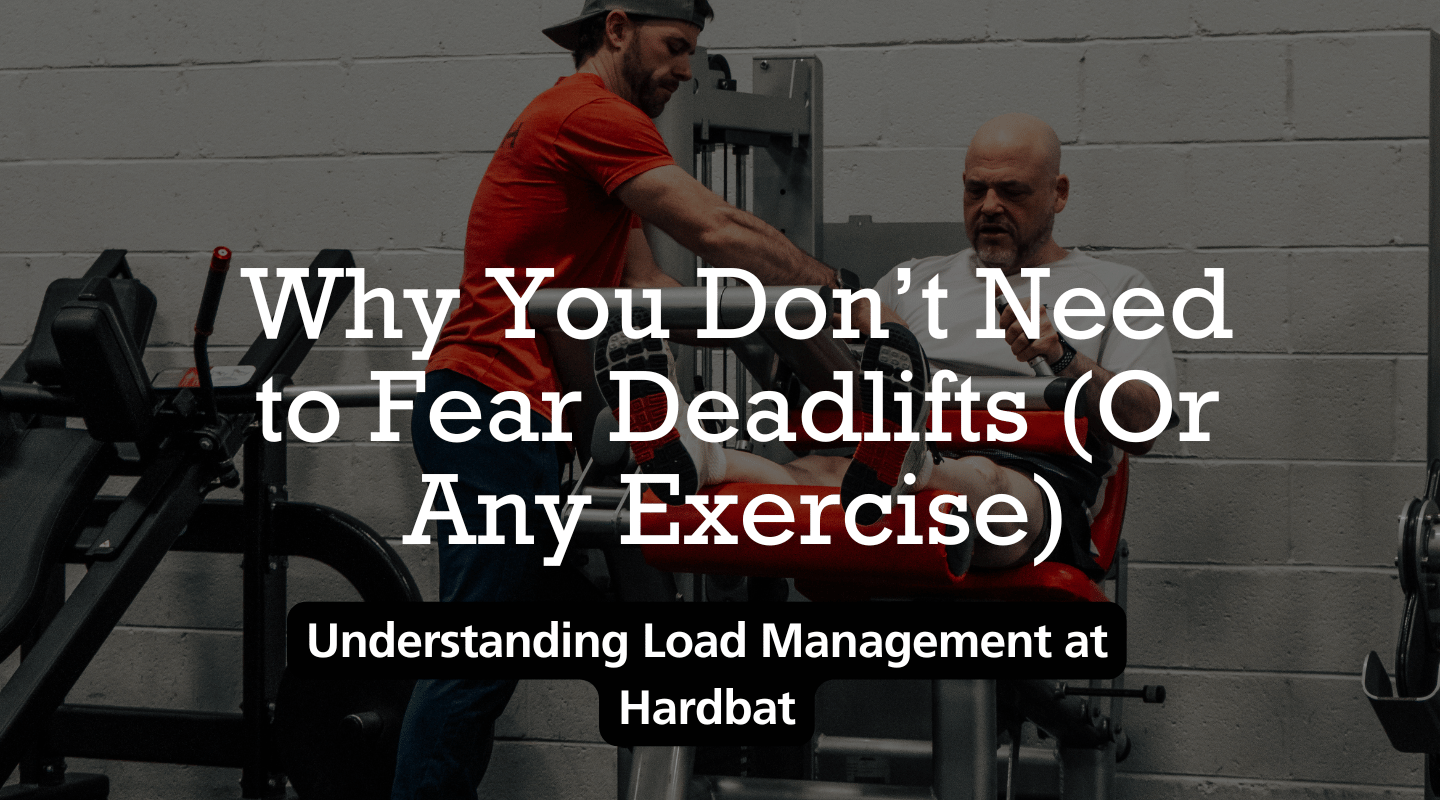
Coaching and Adjustments — This is the difference between a coached gym and a random workout. You're getting real-time feedback. Cues to improve your positions. Adjustments to the load or complexity if needed. You're not left guessing.
Sessions are designed for adults with jobs, families, and responsibilities. You're not expected to train like a college athlete with unlimited recovery time. You're expected to show up, work hard within your capacity, and leave better than you came in.
Most gyms leave progress vague.
"You'll feel better."
"You'll have more energy."
"You'll get stronger."
Cool. But how do you know?
At Hardbat, progress is objective.
You advance through Level Method standards by hitting measurable benchmarks:
You're not relying on how you feel that day or whether your weight went up or down. You're looking at concrete data that shows improvement.
This removes the emotional rollercoaster most people experience in fitness. You're not wondering if it's working. You know.
And when you hit a new level, you're not just celebrating effort. You're celebrating competence.
No, you're not. The Level Method exists specifically to meet you where you are. White level is designed for beginners. You're not expected to keep up with advanced athletes. You're expected to work within your capacity and progress from there.
This is why we don't throw beginners into group classes immediately. You start with personal training or small group sessions until you have the foundation to navigate a group environment confidently. And when you do join group classes, everyone is working at their own level. No one is watching you. They're focused on their own work.
We screen for this in your intro. We modify movements as needed. We scale load and complexity to keep you safe. Training doesn't mean ignoring your body's limitations—it means working intelligently around them and often improving them over time.
That's literally what coaching is for. You're not expected to know anything walking in. We teach you. We correct you. We give you the information you need to move well and train effectively. If you're coachable, you'll learn.
Let's be honest about timelines.
First 30 days: You're learning the system. Building confidence. Reducing the anxiety that comes with not knowing what you're doing. You'll probably feel sore. You'll definitely feel more structured. This phase is about establishing the habit and the foundation.
60–90 days: Measurable gains start showing up. You're lifting more weight. Moving better. Recovering faster. Conditioning workouts that felt impossible at the start are now manageable. You're advancing through Level Method standards and seeing objective proof that you're improving.
Long-term (6–12 months and beyond): Fitness stops being something you "try to fit in" and becomes non-negotiable. Your body feels different. You're stronger, more capable, more durable. Everyday tasks—carrying groceries, playing with your kids, moving furniture—get easier. You've built an identity around training, not just a temporary habit.
This isn't a 6-week transformation program. It's a long-term investment in becoming someone who trains consistently for the rest of their life.
Hardbat is for people who:
Hardbat is probably not for you if:
Fitness requires commitment. But commitment isn't motivation. It's showing up even when you don't feel like it because you've built a system that works.
If this approach makes sense to you, the next step is simple:
It's a conversation. We'll assess where you are, explain how the process works, and answer every question you have.
No pressure. No obligation. Just clarity.
If it's a fit, we'll build a plan. If it's not, we'll tell you honestly.
You don't have to figure this out alone. That's what coaching is for.
Most people don't fail at fitness because they lack effort.
They fail because they lack structure.
Hardbat gives you the structure. You bring the commitment.
And that's how real progress happens.


.png)




.png)
.png)








.png)


.png)


.png)


.png)


